Peer-Reviewed, Field-Validated, Patent-Protected Technology
Our biosensor technology isn't just innovative - it's scientifically proven, independently validated, and commercially protected. This triple validation gives stakeholders the confidence needed to support biological approaches to NA management.
Scientific Foundation: Published & Peer-Reviewed
Construction of Whole Cell Bacterial Biosensors as an Alternative Environmental Monitoring Technology to Detect Naphthenic Acids in Oil Sands Process-Affected Water
Published in ACS Synthetic Biology - a world-leading journal in biotechnology
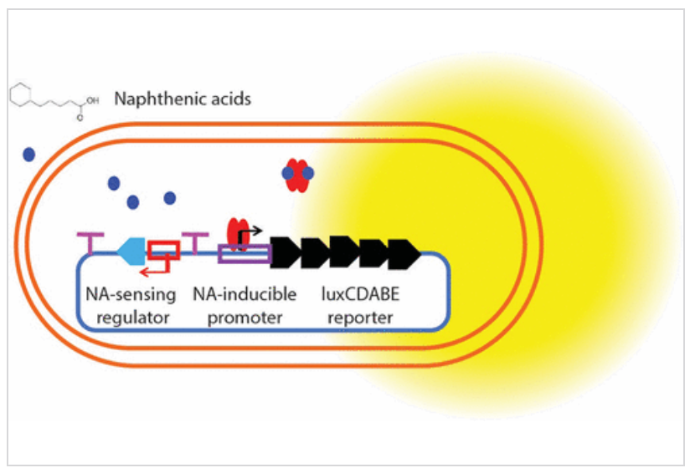
The breakthrough: Our researchers identified bacterial genes that are induced after growth in naphthenic acids and used synthetic biology to construct a panel of whole-cell biosensors for NA detection using Pseudomonas species native to Alberta's tailings environments.
Why Biological Monitoring Works
Traditional chemical analysis tells you what happened. Biological monitoring tells you what's happening now. Our bacteria respond to bioavailable NAs, the forms that actually impact environmental and human health. This biological relevance makes our monitoring more meaningful for regulatory decisions and stakeholder confidence.
Environmental relevance: Detects bioavailable forms of NAs that matter for toxicity
Stakeholder appeal: Natural biological approach preferred by communities
Regulatory alignment: Supports OSMWSC recommendation for standardized, frequent monitoring
Cost transformation: Enables mass rapid testing at operational scale
Field-Validated in Operational Environments:
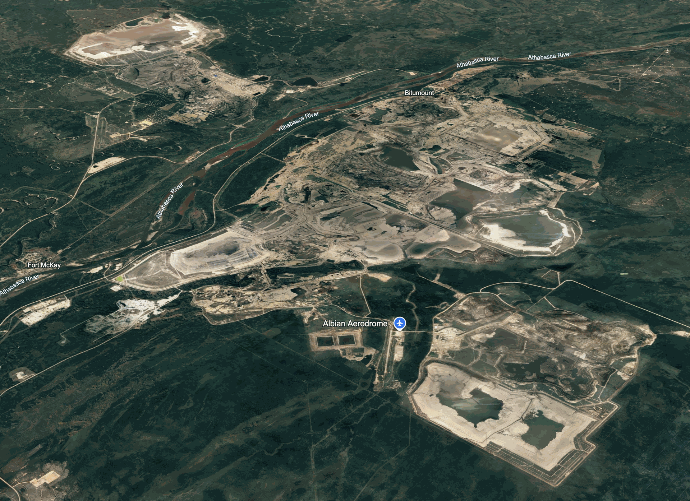
Our biosensor panel was tested in Imperial Oil's Kearl Engineered Wetland alongside Orbitrap mass spectrometry, demonstrating strong positive correlation with the industry gold standard. This isn't laboratory theory, it's operational validation in real OSPW conditions.
Specific, Quantitative & Operationally Relevant:
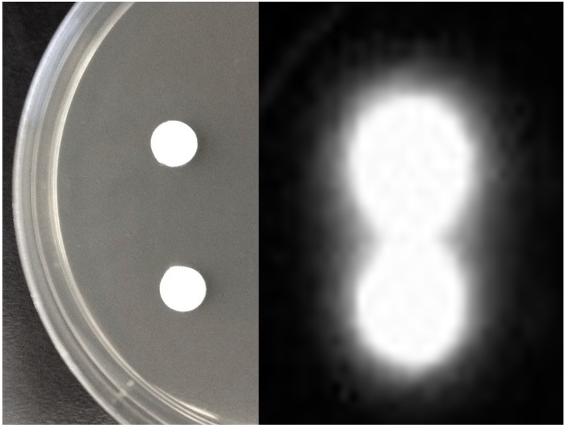
The technology produces a bioluminescent signal in direct proportion to NA concentration, achieving detection limits as low as 1.5 mg/L - precisely the range needed for monitoring tailings water (typically 10-120 mg/L). Results in minutes, not weeks.
Alberta's Native Bacteria Enhanced:
We developed multiple biosensors using naturally occurring bacteria already present in tailings environments. These aren't foreign organisms, they're Alberta's own microbes, enhanced through synthetic biology to serve as living sensors. This native approach increases stakeholder acceptance and regulatory confidence.